2MDOpinion delivers world-class medical second opinions from top specialists, giving patients clarity and confidence in just days, not months. Want to support our growth by investing?

 Written By: Hesam Seyedi | December 3, 2025
The moment a treatment recommendation is made based on an MRI, the path forward can feel suddenly fixed. Surgery, radiation, or long-term therapy may be discussed as if the next step is already decided.
In reality, this is a decision moment, not a conclusion. MRI interpretation is a complex process, and even small differences in how a scan is read can influence the treatment that follows.
Seeking an MRI second opinion is not about hesitation or doubt. It is a rational way to confirm accuracy before committing to a decision that cannot be easily reversed.
This guide explains why MRI interpretations can differ, where second opinions add the most value, and what to expect when considering cost, insurance, and next steps. The goal is simple, to help you move forward with confidence, knowing the decision is based on the clearest possible understanding.
MRI interpretation is not a mechanical process. It requires judgment, experience, and context, especially when findings are subtle or the anatomy is complex.
Radiology reports are written for other clinicians, not for patients. They focus on technical accuracy rather than explanation, which can make it difficult to understand how certain findings relate to symptoms or treatment decisions.
This gap in understanding is well documented. A systematic review of patient experiences with imaging reports found that most standard radiology reports are difficult for patients to understand, and unclear terminology is linked to increased anxiety.
When interpretation is challenging for patients, precision becomes even more important for decisions that carry long-term consequences. This is where differences in training, focus, and experience among radiologists can meaningfully affect how an MRI is read.
Not all MRI interpretations are created equal. While general radiologists are trained to read a wide range of studies, some scans benefit from review by a specialist who focuses on a specific area of the body or type of disease.
Subspecialists, such as neuroradiologists, musculoskeletal radiologists, or oncologic imaging experts, spend much of their practice interpreting the same types of scans every day. This focused experience can matter when findings are subtle or when treatment decisions depend on fine details.
Research has also shown that the structure and language of MRI reports often exceed patient comprehension levels. Reports on lumbar spine MRI, for example, are frequently written at a reading level that is too advanced for the average patient to understand, as highlighted in findings summarized by radiology organizations showing how complex report language can be.
An MRI second opinion from a subspecialist is best viewed as a precision upgrade. It is not about proving the first interpretation wrong, but about ensuring that important details have been reviewed through the most relevant expert lens before decisions move forward.


When surgery is recommended based on MRI findings, the decision often feels final. Imaging becomes the gatekeeper, determining whether an irreversible step moves forward.
In these situations, even small differences in interpretation can matter. A finding that appears to support surgery may look less definitive when reviewed in a broader clinical context or by a specialist who focuses on that anatomy every day.
Patient-centered outcomes research shows that complex imaging can heighten or reduce anxiety depending on how clearly results are explained and understood. Studies have found that unclear communication around imaging results can increase patient worry, while clear explanation supports better decision-making.
Seeking an MRI second opinion before surgery is a rational safeguard. It allows you to confirm that the imaging truly supports the recommended procedure and that all reasonable alternatives have been considered before committing to an intervention that cannot be undone.
When an MRI is part of a cancer diagnosis, accuracy carries even greater weight. Imaging often influences staging decisions, treatment intensity, and whether care moves toward surgery, radiation, or monitoring.
Small differences in how a scan is interpreted can affect how a cancer is classified. Margins, lymph node involvement, or subtle spread may not be viewed the same way by every reader, especially in complex cases.
Research on patient experiences shows that even when people can view their own images, they still rely on expert explanation to understand what the findings mean for their health and next steps. This need for professional interpretation was highlighted in studies examining how patients interpret radiology images when accessed through online portals.
In cancer care, an MRI second opinion can help validate staging, confirm treatment direction, or identify details that may change the plan entirely. The goal is not delay, but confidence that decisions are based on the most accurate interpretation available.
Accuracy is not only about what an MRI shows, it is also about how the findings are understood. When reports are difficult to interpret, important details can be misunderstood or overlooked during decision-making.
Many MRI reports rely on technical language and long descriptions that are clear to clinicians but hard to translate into real-world meaning. This can make it difficult to connect imaging findings with symptoms, risks, or treatment options.
Evidence shows that clearer explanations make a measurable difference. A systematic review of radiology report formats found that using lay-language summaries, patient-oriented definitions, and simple illustrations improved understanding and reduced unnecessary anxiety.
An MRI second opinion often includes clearer context around what findings mean and how confident the interpretation is. That added clarity supports better decisions, especially when treatment choices carry lasting consequences.
Cost is often one of the first questions people ask when considering an MRI second opinion. In the United States, coverage and pricing can vary depending on your insurance plan, the reason for the review, and how the service is provided.
Many health plans allow second opinions, particularly when surgery or complex treatment is being considered. In some cases, coverage may be limited to specific situations or require documentation from your primary physician.
At the same time, some second medical opinion services operate outside traditional insurance billing. These reviews are typically paid out of pocket, which can feel like an added expense when medical costs are already high.
For many high-stakes decisions, the value lies in risk reduction. Confirming that an MRI interpretation truly supports a major treatment can help avoid unnecessary procedures, additional testing, or prolonged uncertainty. Seen this way, the cost of a second opinion is often an investment in clarity before commitment.
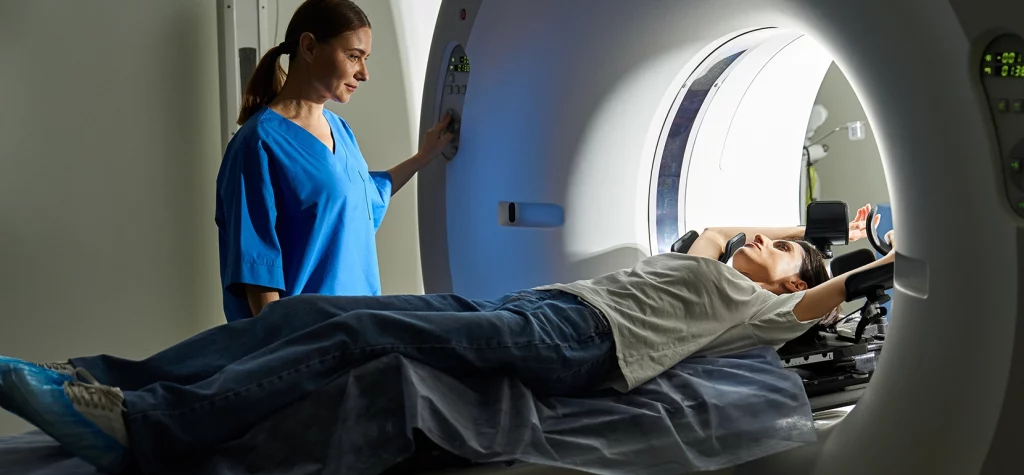
Uncertainty can quietly undermine even well-informed decisions. When imaging results feel unclear or rushed, it becomes harder to feel confident about the path forward.
Many people seek a second review not because they distrust their doctor, but because they want to be sure the interpretation supports the decision being made. Verification helps turn uncertainty into informed confidence.
Research on patient experiences with imaging reports shows that unclear explanations increase anxiety, while better structure and clarity help patients feel more informed and in control. This pattern was highlighted in a systematic review examining how patients respond to complex radiology reports and explanations.
An MRI second opinion supports decision ownership. By confirming accuracy and adding context, it allows you to move forward knowing that the choice reflects careful review rather than assumption.
Getting an MRI second opinion is a structured process, not a complicated one. The goal is to make sure the scan and its interpretation are reviewed by the right expert with the right context.
Start by requesting a copy of your MRI images and report from the imaging center or hospital. These are usually provided as digital DICOM files through a secure link or on a disc, and you are entitled to receive them.
Next, identify a radiologist or service with subspecialty expertise that matches your condition. For example, spine imaging, cancer staging, or neurologic findings often benefit from review by someone who focuses on those cases every day.
When submitting your scan for review, include the clinical question you are trying to answer. Asking whether a finding truly supports surgery, changes staging, or explains symptoms helps focus the interpretation.
Finally, make sure the second-opinion report is shared with your primary physician or surgeon. A second opinion works best when it becomes part of the decision-making conversation, not a separate opinion that never reaches your care team.
Getting an MRI second opinion is a structured process, not a complicated one. The goal is to make sure the scan and its interpretation are reviewed by the right expert with the right context.
Start by requesting a copy of your MRI images and report from the imaging center or hospital. These are usually provided as digital DICOM files through a secure link or on a disc, and you are entitled to receive them.
Next, identify a radiologist or service with subspecialty expertise that matches your condition. For example, spine imaging, cancer staging, or neurologic findings often benefit from review by someone who focuses on those cases every day.
When submitting your scan for review, include the clinical question you are trying to answer. Asking whether a finding truly supports surgery, changes staging, or explains symptoms helps focus the interpretation.
Finally, make sure the second-opinion report is shared with your primary physician or surgeon. A second opinion works best when it becomes part of the decision-making conversation, not a separate opinion that never reaches your care team.
When decisions involve surgery, long-term treatment, or life-changing consequences, confidence matters. An MRI report should support clarity, not leave room for doubt.
An mri second opinion is not a delay or a sign of uncertainty. It is a rational step that helps confirm accuracy before committing to a path that cannot be easily reversed.
By taking the time to verify imaging findings and understand their implications, you retain control over the decision. The goal is not to second-guess care, but to move forward knowing the choice is based on the clearest possible information.
An MRI second opinion is an independent review of your scan and report by another radiologist, often a subspecialist. The goal is to confirm accuracy, clarify findings, or provide additional context before treatment decisions are made.
MRI interpretation involves judgment and experience. Differences can occur due to subtle findings, complex anatomy, or varying levels of subspecialty training. A second review adds another expert perspective.
It often makes sense before surgery, when treatment decisions are irreversible, when findings feel unclear, or when you want confirmation that the interpretation fully supports the recommended plan.
No. A second opinion is a standard way to reduce uncertainty in high-stakes decisions. Many physicians welcome additional expert input, especially for complex cases.
It can. A second review may confirm the original plan, refine it, or suggest alternative approaches. Even when findings do not change, confirmation can increase confidence in the decision.
In most cases, no. A second opinion typically involves reviewing your existing MRI images and report rather than repeating the scan.
Coverage varies by plan and situation. Some insurance plans allow or require second opinions for surgery or complex care, while other services may be self-pay. It is reasonable to check coverage helps avoid surprises.
Yes. A second opinion is most useful when it becomes part of the discussion with your treating physician or surgeon, helping guide the final decision.
Disclaimer: The information provided in this article is for educational and informational purposes only and should not be interpreted as medical or professional health advice. It is not intended to diagnose, treat, cure, or prevent any disease. Health decisions should always be made in consultation with a licensed physician or other regulated healthcare professional in your province. If you are experiencing a medical emergency, call 911 or visit your nearest emergency department immediately. If you would like a qualified medical specialist to review your case or provide a second opinion, you can book a consultation anytime through our platform.
2MDOpinion delivers world-class medical second opinions from top specialists, giving patients clarity and confidence in just days, not months. Want to support our growth by investing?
Email Us
| Cookie | Duration | Description |
|---|---|---|
| cookielawinfo-checkbox-advertisement | 1 year | Set by the GDPR Cookie Consent plugin, this cookie is used to record the user consent for the cookies in the "Advertisement" category . |
| cookielawinfo-checkbox-analytics | 11 months | This cookie is set by GDPR Cookie Consent plugin. The cookie is used to store the user consent for the cookies in the category "Analytics". |
| cookielawinfo-checkbox-functional | 11 months | The cookie is set by GDPR cookie consent to record the user consent for the cookies in the category "Functional". |
| cookielawinfo-checkbox-necessary | 11 months | This cookie is set by GDPR Cookie Consent plugin. The cookies is used to store the user consent for the cookies in the category "Necessary". |
| cookielawinfo-checkbox-others | 11 months | This cookie is set by GDPR Cookie Consent plugin. The cookie is used to store the user consent for the cookies in the category "Other. |
| cookielawinfo-checkbox-performance | 11 months | This cookie is set by GDPR Cookie Consent plugin. The cookie is used to store the user consent for the cookies in the category "Performance". |
| viewed_cookie_policy | 11 months | The cookie is set by the GDPR Cookie Consent plugin and is used to store whether or not user has consented to the use of cookies. It does not store any personal data. |
| Cookie | Duration | Description |
|---|---|---|
| _ga | 2 years | The _ga cookie, installed by Google Analytics, calculates visitor, session and campaign data and also keeps track of site usage for the site's analytics report. The cookie stores information anonymously and assigns a randomly generated number to recognize unique visitors. |
| _ga_530K1V7VWR | 2 years | This cookie is installed by Google Analytics. |
| Cookie | Duration | Description |
|---|---|---|
| nitroCachedPage | session | No description |