2MDOpinion delivers world-class medical second opinions from top specialists, giving patients clarity and confidence in just days, not months. Want to support our growth by investing?

 Written By: Hesam Seyedi | December 5, 2025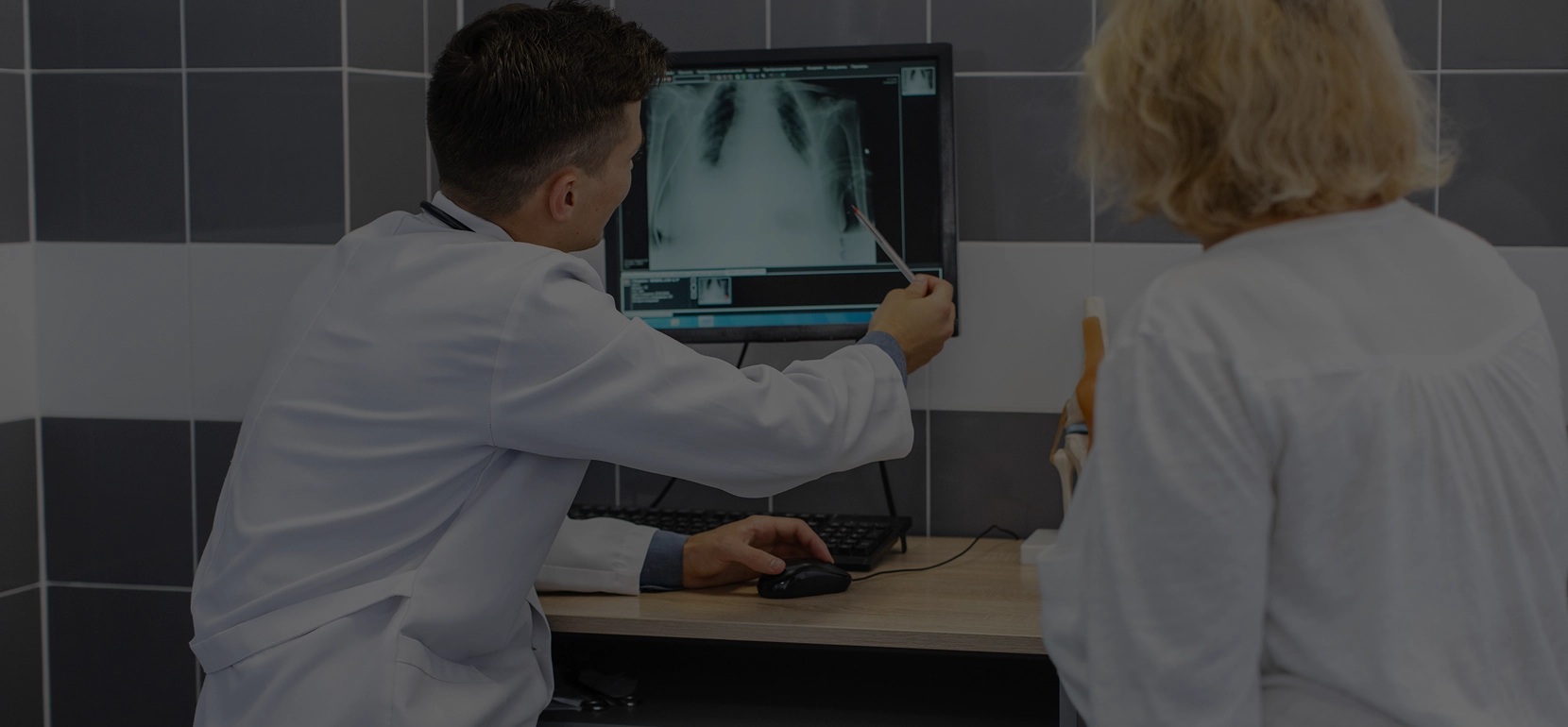
You reach a moment where a serious decision is placed in front of you. Surgery is recommended, or a complex treatment plan is outlined, all based on what an image appears to show.
This is not a moment for blind trust or unnecessary doubt. It is a moment for verification. When the outcome carries lasting consequences, accuracy matters more than speed.
A radiology second opinion is a practical tool used by people who treat important decisions with care. It provides an independent review of imaging so you can confirm that the interpretation truly supports the path being proposed.
This guide explains why imaging interpretations can differ, how second opinions change treatment decisions, and how to use a radiology second opinion to move forward with confidence rather than hesitation.
It is common to leave an appointment feeling unsettled after reviewing an imaging report. The language can feel technical, the explanation brief, and the implications unclear.
Advanced imaging like MRI and CT scans require careful interpretation. Subtle findings, complex anatomy, and clinical context all play a role in how conclusions are drawn, which means reasonable experts may not always see the same thing.
This is not hypothetical. In a study of complex imaging cases referred for expert review, clinically important differences were found between original and second-opinion interpretations in 16% of cases. That margin is meaningful when decisions involve surgery or long-term treatment.
Recognizing this uncertainty is not a failure of care. Asking for another expert perspective is a standard way to reduce risk and ensure that important decisions are based on the clearest possible interpretation.
Not all radiology interpretations carry the same level of expertise. While general radiologists are trained to read a wide range of studies, complex cases often benefit from review by subspecialists who focus on a narrow area of anatomy or disease.
This difference shows up clearly in the data. In a large study of musculoskeletal imaging, clinically important differences were identified in 26.2% of cases when scans were reviewed by subspecialists. In oncologic imaging, that discrepancy rate increased to 36.3% of cases.
When pathology was available to confirm findings, subspecialty second-opinion reports proved more reliable. In cases where the original and second reads disagreed, subspecialist interpretations were correct 82.0% of the time, highlighting the value of focused expertise.
This accuracy advantage carries through to real clinical decisions. Research has shown that final diagnoses aligned with academic second opinions 85% of the time, compared with only 44% alignment for original reports.
For patients facing complex findings involving soft tissue, spine, or cancer imaging, an MRI second opinion allows subspecialists to focus on the nuances of magnetic resonance imaging that can directly influence diagnosis and treatment planning.


When imaging guides major treatment decisions, the interpretation does more than describe anatomy. It shapes what happens next. This is especially true in oncology and surgical planning, where imaging often determines whether a procedure moves forward.
Second-opinion reviews have shown that imaging reinterpretation can materially change care. Across multiple programs and specialties, systematic reviews report that a second review led to a change in diagnosis, treatment, or prognosis for 12% to 69% of patients. These are not marginal adjustments. They can alter the entire direction of care.
The impact is particularly clear in cancer imaging. In a neuro-oncology study at a National Cancer Institute–designated center, second-opinion neuroradiologists reclassified 26% of lesions initially labeled suspicious for malignancy as benign. In cases where the original and second interpretations disagreed, these specialists also identified more extensive disease in 62% of patients.
Across broader patient-initiated second-opinion programs, the downstream effect is clear. Reviews show that a radiology second opinion resulted in a recommended change in treatment for 37% of participants. For patients facing surgery or intensive therapy, that level of impact justifies taking a second look before committing.
For many people, the real value of a radiology second opinion goes beyond whether a finding changes. It provides clarity and confidence at a moment when uncertainty can stall decision-making.
You are not simply buying another report. You are buying authority transfer. A second opinion gives you expert-backed validation that you can bring back to your local care team, especially when you need to justify pausing, questioning, or adjusting a treatment plan.
Research shows that the impact of second opinions can be substantial. Across multiple studies, major changes in diagnosis, treatment, or prognosis occurred in 10% to 62% of cases, depending on the condition and complexity involved.
Second-opinion reports often go further than confirmation alone. In a large neuroradiology review program, 12.2% of reports included a specific recommendation for next steps. When these recommendations were made, referring clinicians followed them 65.7% of the time.
Even when the final diagnosis remains the same, the process delivers value. Confirmation replaces doubt with certainty, allowing you to move forward knowing the decision rests on careful verification rather than assumption.
A second opinion only creates value if it is integrated into your care. Without clear handoff and follow-through, even the most expert review can fail to influence the final decision.
This gap is more common than most people realize. In a large tertiary-care study, 11.4% of second-opinion radiology reports were never read by the treating clinician. When reports are overlooked, the opportunity to improve accuracy or adjust treatment is lost.
Avoiding this outcome requires active coordination. Request a written summary that clearly outlines whether findings were confirmed, refined, or reinterpreted. Make sure the report is delivered directly to your primary physician or surgeon, not just uploaded to a portal.
Following up matters. Confirm that your care team has reviewed the second opinion and discuss how it affects the proposed plan. A radiology second opinion works best when it becomes part of the clinical conversation rather than a separate document sitting outside the decision-making process.
When the stakes are high, clarity comes from preparation. Taking a few deliberate steps can help ensure your radiology second opinion delivers the insight you are looking for.
Start by requesting your full imaging files from the facility where the scan was performed. Ask specifically for the digital DICOM images and the original radiology report so the reviewing specialist has complete information.
Choose a reviewer whose expertise matches your condition. Complex spine findings, cancer imaging, or neurological concerns are best reviewed by subspecialists who interpret those scans every day.
During the review process, focus your questions on decisions, not just descriptions. Ask whether the second interpretation changes your eligibility for surgery, alters staging, or suggests alternative treatment paths.
Finally, confirm that the second-opinion report is shared directly with your primary care team and follow up to ensure it has been reviewed. A radiology second opinion creates the most value when it actively informs the next step in your care.
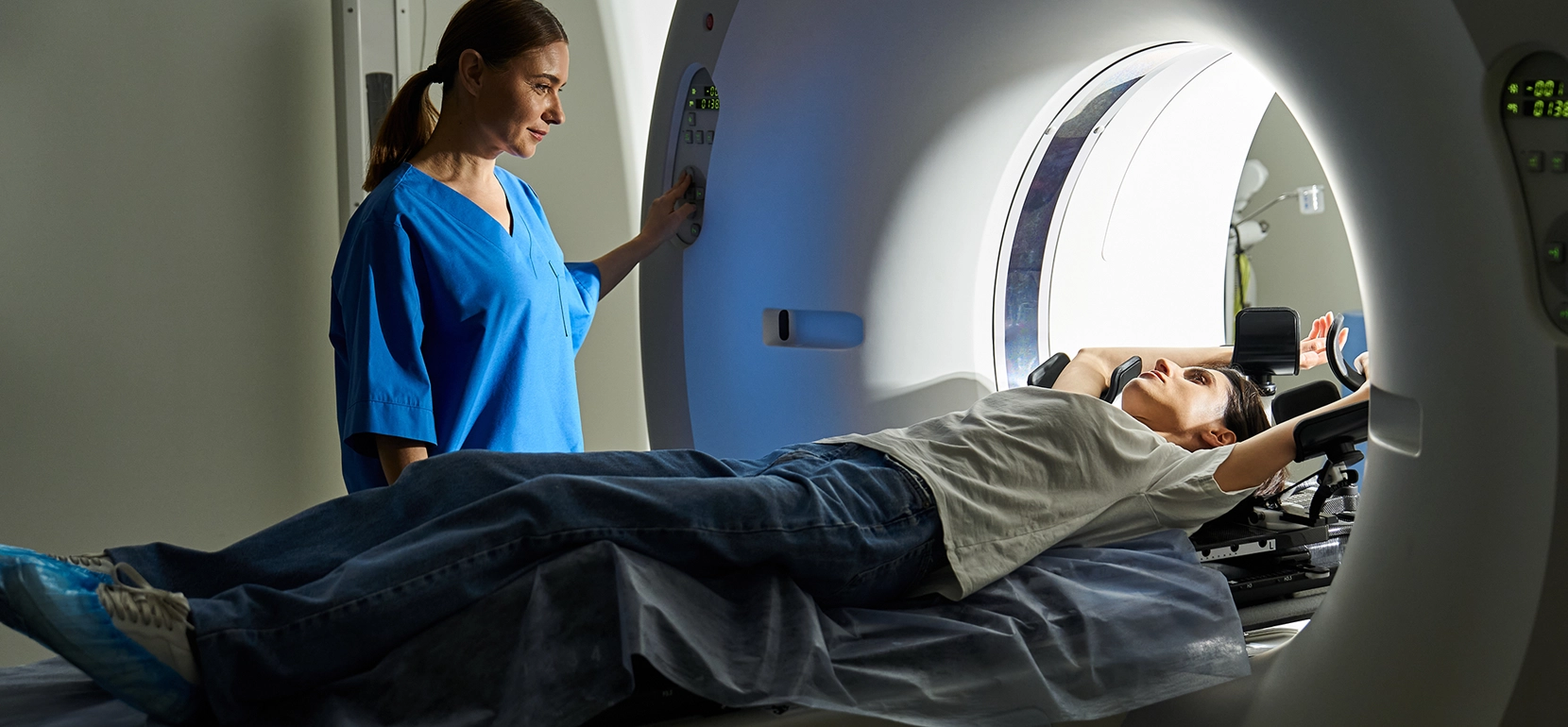
When imaging plays a central role in major medical decisions, certainty matters. A radiology report should support action, not leave unresolved questions.
A radiology second opinion is a proactive step for people who take responsibility for their health decisions. It allows you to verify that the interpretation guiding surgery or treatment is as accurate and complete as possible.
Whether the second review confirms the original findings or changes the direction of care, the value lies in confidence. You move forward knowing the decision is grounded in careful review rather than assumption.
A radiology second opinion is an independent review of your imaging, such as an MRI or CT scan, by another radiologist, often a subspecialist. The goal is to confirm accuracy, clarify findings, or identify details that may affect treatment decisions.
A radiology second opinion focuses specifically on the interpretation of imaging, not on prescribing treatment. It evaluates whether the images support the diagnosis or plan being proposed, which can then inform broader medical decisions.
It is most useful before surgery, when imaging guides cancer staging, when findings feel unclear, or when treatment decisions are difficult to reverse. Many people seek a second review to reduce uncertainty before committing to a plan.
No. Seeking a second opinion is a common and accepted practice in complex or high-stakes cases. Many clinicians view it as a reasonable way to verify accuracy and support shared decision-making.
It can. A second review may confirm the original interpretation, refine it, or identify findings that suggest a different approach. Even when no changes are made, confirmation can strengthen confidence in the chosen plan.
In most cases, no. Second opinions usually involve reviewing your existing images and report rather than repeating the scan.
Coverage varies by insurer and situation. Some plans allow or require second opinions for surgery or complex care, while others may not cover external reviews. It is reasonable to check coverage before proceeding.
Timing depends on the service and complexity of the case. Many reviews are completed faster than scheduling additional in-person consultations or repeat testing.
The report should be shared with your primary physician or surgeon and discussed directly. A radiology second opinion is most effective when it becomes part of the decision-making conversation.
Disclaimer: The information provided in this article is for educational and informational purposes only and should not be interpreted as medical or professional health advice. It is not intended to diagnose, treat, cure, or prevent any disease. Health decisions should always be made in consultation with a licensed physician or other regulated healthcare professional in your province. If you are experiencing a medical emergency, call 911 or visit your nearest emergency department immediately. If you would like a qualified medical specialist to review your case or provide a second opinion, you can book a consultation anytime through our platform.
2MDOpinion delivers world-class medical second opinions from top specialists, giving patients clarity and confidence in just days, not months. Want to support our growth by investing?
Email Us
| Cookie | Duration | Description |
|---|---|---|
| cookielawinfo-checkbox-advertisement | 1 year | Set by the GDPR Cookie Consent plugin, this cookie is used to record the user consent for the cookies in the "Advertisement" category . |
| cookielawinfo-checkbox-analytics | 11 months | This cookie is set by GDPR Cookie Consent plugin. The cookie is used to store the user consent for the cookies in the category "Analytics". |
| cookielawinfo-checkbox-functional | 11 months | The cookie is set by GDPR cookie consent to record the user consent for the cookies in the category "Functional". |
| cookielawinfo-checkbox-necessary | 11 months | This cookie is set by GDPR Cookie Consent plugin. The cookies is used to store the user consent for the cookies in the category "Necessary". |
| cookielawinfo-checkbox-others | 11 months | This cookie is set by GDPR Cookie Consent plugin. The cookie is used to store the user consent for the cookies in the category "Other. |
| cookielawinfo-checkbox-performance | 11 months | This cookie is set by GDPR Cookie Consent plugin. The cookie is used to store the user consent for the cookies in the category "Performance". |
| viewed_cookie_policy | 11 months | The cookie is set by the GDPR Cookie Consent plugin and is used to store whether or not user has consented to the use of cookies. It does not store any personal data. |
| Cookie | Duration | Description |
|---|---|---|
| _ga | 2 years | The _ga cookie, installed by Google Analytics, calculates visitor, session and campaign data and also keeps track of site usage for the site's analytics report. The cookie stores information anonymously and assigns a randomly generated number to recognize unique visitors. |
| _ga_530K1V7VWR | 2 years | This cookie is installed by Google Analytics. |
| Cookie | Duration | Description |
|---|---|---|
| nitroCachedPage | session | No description |